You had a good meeting. They were nodding, they were excited and you promised a proposal by Friday. Then Friday becomes next Tuesday, next Tuesday becomes three weeks and by the time the document lands the heat has gone out of it. Or it lands on time and you never hear back at all.
Troy Dean has been writing proposals for service businesses for about a decade and he has a blunt view of why they fail. In this episode he walks through the nine-section proposal writing process he uses to get a document out in roughly 45 minutes and the structural choices that decide whether it keeps selling after the meeting or just sits on a shelf looking beautiful. Worth half an hour if your proposals keep going out late and coming back quiet.



Key Takeaways
- Confusion loses proposals, not price. Troy’s read after ten years is that clients say no because they cannot see what they are investing in or how it pays them back.
- Everyone reads the pricing first. When his team could see what readers actually did with a proposal, they went straight to the pricing slide and stayed there. Build the document knowing that.
- Talk about your client’s customers. The target audience section is the one most consultants leave out. Including it moves you from supplier to adviser in a single page.
- Rewrite every feature as a benefit. Nobody wants a blog. They want leads from Google they did not have to pay for.
- FAQs are objections in disguise. Every reason a client might say no gets a written answer, sitting directly under the price where the doubts show up.
- Blueprint plus template plus tool equals a system. All three together are what let someone other than you write the next proposal.
In This Episode
- 02:45 Why proposals get knocked back and why it is rarely the number
- 03:30 What the proposal analytics showed about where clients actually look
- 04:45 The nine sections of the proposal blueprint, start to finish
- 07:45 Writing a snapshot you can swipe and deploy
- 09:15 Business needs, lifted straight out of the first client meeting
- 10:30 The target audience section almost nobody includes
- 13:45 Turning every feature into a benefit the owner cares about
- 18:15 Investment, project options and stripping scope instead of price
- 20:00 Frequently asked questions as an objection-handling library
- 21:15 The 90% that is emotional and the 10% that signs
- 24:00 Template plus tool equals a system you can hand over
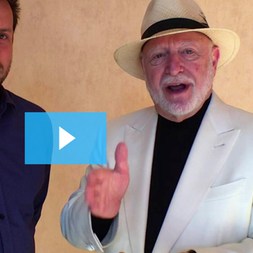
👤 Today’s Guest, Troy Dean
Troy Dean is an online marketing expert, speaker, coach, consultant and podcaster who helps business owners and entrepreneurs market themselves better online. He is also a professional voiceover artist with campaigns for Ford, Telstra, ANZ and Hungry Jack’s behind him. He sang the Cadbury jingle too, “Wouldn’t it be nice if the world was made of Cadbury?”
At the time of recording he ran two communities: WP Elevation, where he teaches WordPress consultants how to run better consulting businesses, plus Rockstar Empires for entrepreneurs using web technology to grow. He and Dave share a studio. Troy was also the very first guest on this podcast. That original episode was given to everyone who registered for the Business Systems Summit as an example of a well-documented process.
Website: troydean.com.au
Prefer to Watch? Full Video Below

📋 The Proposal Writing Process: Nine Sections That Keep Selling After The Meeting
Based on the interview with Troy Dean, who runs the WP Elevation community.
Troy started where almost everyone starts. Long documents in Word, then hours in InDesign turning them into something beautiful. The turning point came when his team moved proposals into software that reported back on what readers actually did with them.
“Surprise, surprise, everyone was going straight to the pricing slide and spending all their time there and not reading the rest of it”
Troy Dean, 03:30
So he rebuilt the document from the client’s seat. What would I want to see if I received this? Years of tweaking later, the template takes about 45 minutes to fill in. It has been downloaded more than 5,000 times and it suits anyone selling something you cannot put in a box: coaches, marketing consultants, SEOs, social media and PPC providers, even wedding photographers.
His diagnosis of why proposals die is worth pausing on, because it is not what most owners assume.
“The main reason proposals don’t get accepted is because the client doesn’t understand what it is you’re proposing, doesn’t understand what they’re investing in”
Troy Dean, 02:45
Here are the nine sections, in the order they appear and with the job each one is doing.
1 Snapshot: Say What This Is, Briefly
An executive summary, nothing more. Who the client is, what has changed in their world, what they need now and the fact that they approached you rather than the other way around. That last detail matters more than it looks, because it sets the tone for everything underneath it: you asked us for help, so here is our answer.
Troy’s point is that this paragraph barely changes between clients. Do not spend 15 minutes writing it from scratch every time. Write it once, swap the names and move on.
2 Business Needs: Repeat Back What They Told You
Three or four specific outcomes the client said they need, in their words. Attract leads. Position us as the people who know this space. Open the door to partners. Take pressure off the support team.
This section is only as good as your first meeting, which is a whole discipline of its own. If you are guessing here, the problem is upstream, in how you open and close that first sales call.
3 Audience Needs: Show You Care About Their Customers
This is the section almost nobody includes and Troy treats it as the separator. You define the client’s target audience back to them, then list what that audience needs to be able to do: start a trial without talking to anyone, get their objections answered without waiting on a support rep, compare you fairly against the alternative.
Two things happen at once. You prove you were listening in the meetings and you stop sounding like a supplier who takes orders. Troy is explicit that this travels: run PPC, shoot weddings, design brands, the move is the same.
4 Solution: Features Rewritten As Benefits
Write down everything you are actually going to do. The platform, the plugins, the tools, the integrations. Then translate every line of it into what the owner gets.
There is no point promising a blogging platform so they can publish lots of content, because the owner hears homework. Say instead that the site is built to bring in customers from search without paying for every click and to keep doing it for years. Nobody argues with that.
“So don’t lead the conversation with the feature, lead the conversation with the benefit”
Troy Dean, 15:15
Tack a short further considerations block on the end: the things you would recommend beyond the minimum. For Troy that is content and ongoing care, which quietly makes the point that launch day is the start of the relationship rather than the end of the job.
5 Timeline: How Long This Actually Takes
Four weeks discovery, three weeks design, four weeks development, a week of testing. Short, unglamorous and only possible if you know your own workflow well enough to quote it. If you cannot fill this section in without guessing, that is a signal in itself.
6 Investment: Essentials, Options And No Discounting
Not pricing. Not cost. Not fees. Investment, split into the project essentials and the project options that came out of further considerations.
Troy will not write a proposal for anyone who does not already know the band he works in, because that wastes everybody’s time. And when a client comes back asking for a lower number, he refuses the usual move of quietly finding fat to cut. If there is room to cut on request, you were ripping them off in the first place. Instead you open up what is essential and what is optional and take work out of scope rather than money off the price.
7 FAQs: Answer Every Reason To Say No
This one sits immediately under the investment section and Troy calls it the change that made the biggest difference.
“Frequently asked questions are just objections. They are every reason that a client won’t purchase”
Troy Dean, 20:00
Why that platform? Where is it hosted? Who do I call when it breaks? What happens after launch? How fast will we rank? What if I want to add something halfway through? Each one is a real question and each one is also a reason somebody stalls. Every time a new objection turns up in the wild, it gets written once and added to the library, then dragged into whichever proposal needs it.
8 Next Steps: Tell Them Exactly What To Do
A proposal that ends without instructions gets admired and shelved. Troy spells out the mechanics: press accept, leave any comments you want addressed, pay the 50% deposit and we start. No guessing, no second email asking how to proceed.
9 Mutual Agreement: Both Sides In Writing
The terms, renamed on purpose. Creative work is collaborative, so the document sets out what you are responsible for and what the client is responsible for rather than listing conditions at them. Troy’s version is adapted from the open-source Contract Killer written by Andy Clarke of Stuff and Nonsense, which is freely available to use. His one piece of legal advice, from a lawyer: if you are earning more than you would care to lose, have someone qualified read it.
| Section | The question it answers | What happens without it |
|---|---|---|
| Snapshot | What is this document? | They read on unsure why |
| Business needs | What does the business want? | You sound generic |
| Audience needs | What do their customers want? | You stay a supplier |
| Solution | What do I actually get? | Features nobody values |
| Timeline | How long will this take? | Your dates slip by default |
| Investment | What does it cost? | The haggling starts |
| FAQs | What about my doubts? | Silence, then no reply |
| Next steps | What do I do now? | It sits on the shelf |
| Mutual agreement | Who is responsible for what? | Arguments when it wobbles |
The 90/10 Split Behind Every Yes
Underneath all nine sections is one idea about how people buy. Troy’s position, built from years of watching clients decide, is that roughly 90% of the decision is emotional and it is usually made in the room with you. Half an hour of conversation and they have decided they want to work with you.
The other 10% is the part that drags. That is the rational brain looking for permission to get the card out. It is exactly where proposals stall. Which reframes the whole job: you are not persuading anyone in the document, you are giving a decision they have already made somewhere solid to land. That is why the FAQs matter more than the adjectives.
Could anyone else on your team write your next proposal?
If the honest answer is no, the blueprint is still living in your head. Describe how you do it once and get a first-draft system back that you can edit. Free to try, no account needed.
Blueprint, Template, Tool: The Part That Makes It A System
The nine sections on their own are a good idea. What turns them into something your business owns is the stack underneath: the blueprint is the thinking, the filled-in template is the meat on the bones and proposal software is what makes it quick. Troy uses Bidsketch and has more recently been using Better Proposals. Either one is useless without the template.
“The tool is not much chop if you haven’t got a template that you can put into it”
Troy Dean, 24:00
And once the three exist together, the last constraint goes. You can take the client meeting yourself, hand the transcript to someone in the sales team and have them fill in the blanks. That is the whole point of documenting a business process: not tidiness, but the ability to give the work to somebody else. Finding and backing that somebody is the subject of The Systems Champion.
Dave makes the same case from the sales side in the episode. The gap between “I’ll send you a proposal” and the proposal arriving is pure risk. It feels important but never urgent, so it slides past the weekend and into next week. The longer it slides, the colder the deal gets. A proposal you can produce in 45 minutes goes out the same day, which reads as prompt and professional before the client has read a word of it. What happens after they sign is a system of its own, which is where a client onboarding and offboarding system picks up.
Most owners treat the proposal as paperwork, the annoying bit between a good meeting and a deposit. Troy treats it as the last salesperson in the room, which is why his proposals convert and yours go quiet. Write the nine sections once, put them somewhere your team can reach and the next deal stops depending on whether you had a free Friday afternoon. Your business isn’t broken. Your systems are.
Frequently Asked Questions
Why do most proposals get rejected?
Troy’s answer after ten years of writing them is that the client does not understand what is being proposed or what they are investing in, so the whole thing reads as a sunk cost. Price is usually the symptom rather than the cause.
What are the nine sections of the proposal blueprint?
Snapshot, business needs, audience needs, solution, timeline, investment, frequently asked questions, next steps and the mutual agreement. The order does as much work as the content, particularly putting the FAQs directly after the investment.
Does this only work for web design?
No. It came out of the web industry, but Troy is clear it fits anyone selling an intangible service. His own list runs from coaches and SEOs through to wedding photographers.
Should the price go near the front or the back?
Less important than what sits immediately after it. Readers jump to the number regardless, so Troy puts the FAQ section directly beneath the investment, which is the exact moment the rational objections arrive.
What should I do when a client says their budget is smaller?
Do not quietly find fat to cut, because that tells them the first number was padded. Troy’s move is to separate the essentials from the options, then strip the scope back instead of discounting.
How do I stop writing every proposal myself?
Turn the blueprint into a filled-in template, pair it with proposal software and train someone to run both. You can still take the client meeting, then hand the transcript to somebody in the sales team and let them complete the document.
Ready to get started?
systemHUB gives you 100+ ready-made SOP templates across Sales, Marketing, Operations, HR and Finance. Customise them for your business and start building a business that runs without you.
Thank you for listening!
Thanks for joining us for this episode. Do you have any questions or feedback you'd like to share? We'd love to hear it! Let us know in the comments section below.
If you enjoy listening to this podcast, please share it on Facebook and leave an honest review on iTunes. We'd love to know what you think.
Remember, the next system we share could be just the one you’ve been looking for, so subscribe on iTunes so you can get the latest episodes as soon as they’re published.
About The Show
Business Processes Simplified
We interview industry experts and have them share their best small business systems and processes. This is the quickest, easiest and most efficient way to build a systems centered business.